The last piece!
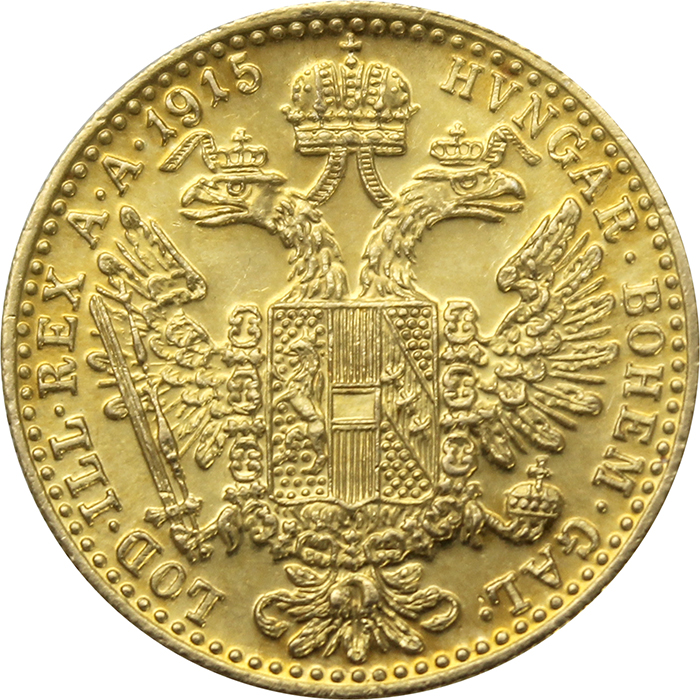
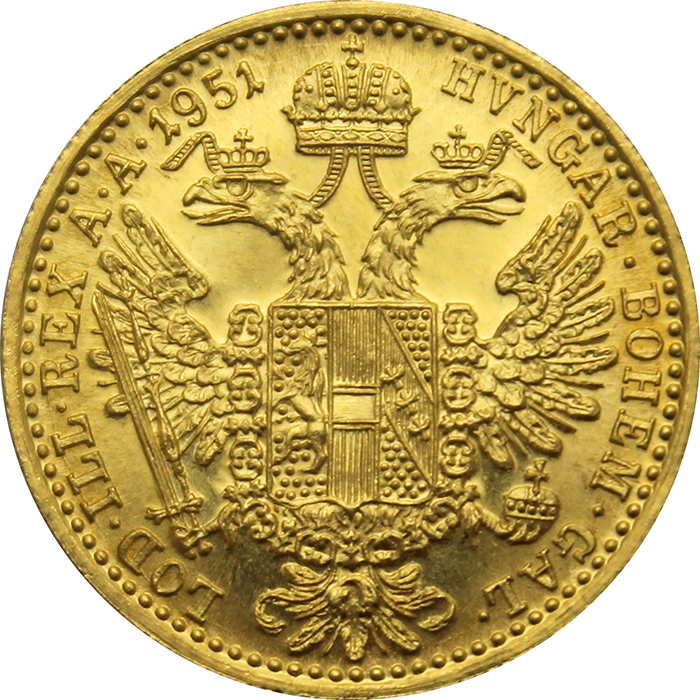
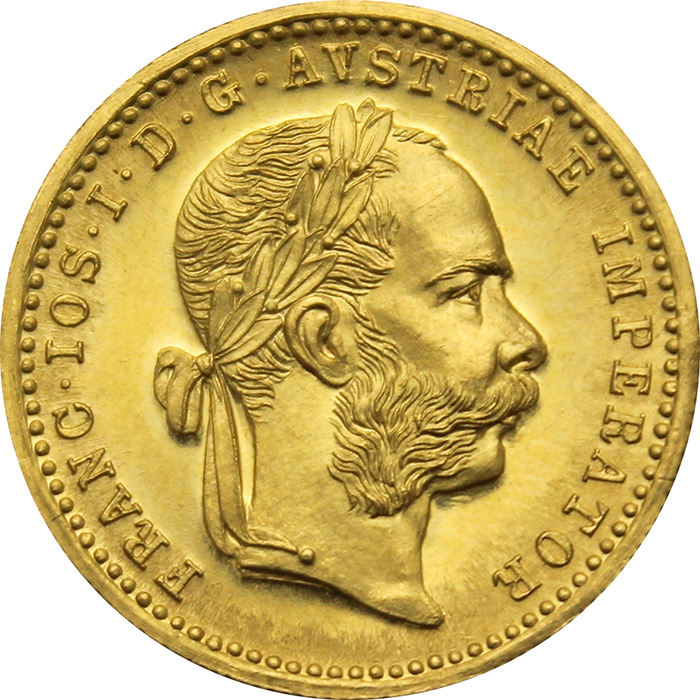
Gold Investment Coin Franz Joseph I. Ducat 1915 (newly minted)
366,90 EUR
exempt from VAT
Card payment is not possible for this product.
exempt from VAT
Card payment is not possible for this product.
In stock
To order
(10 working days)
Availability in stores
In order to claim the VIP buyback price it is necessary to provide the original invoice as a proof that the goods were bought at the Safe Heritage.
VIP buyback price
291,98 EUR
291,98 EUR
View the product
Detailed description
Austrian single-double 1915
Ducats were issued in Austria in 1612 and probably earlier. The last issue of single ducats was in 1914. All other ducats dated 1915 are new issues, of which 996,721 were struck between 1920 and 1936. The Austrian Mint still mints the one-ducat gold investment coins dated 1915 as official new issues.
Product Specifications
Emissions:
1915
Food:
indented
Měna:
Koruna
Purity:
986/1000 Au
The Power of:
0.8 mm
Topic:
Historical coins
Weight:
3,4909 g
Mint:
Münze Österreich
Average:
19.75 mm
Series:
New Releases
Type:
Roman V.
Country of origin:
Austria
...
We build products for you ...
Events
The last piece!

In stock
632,00 EUR
640
The last piece!
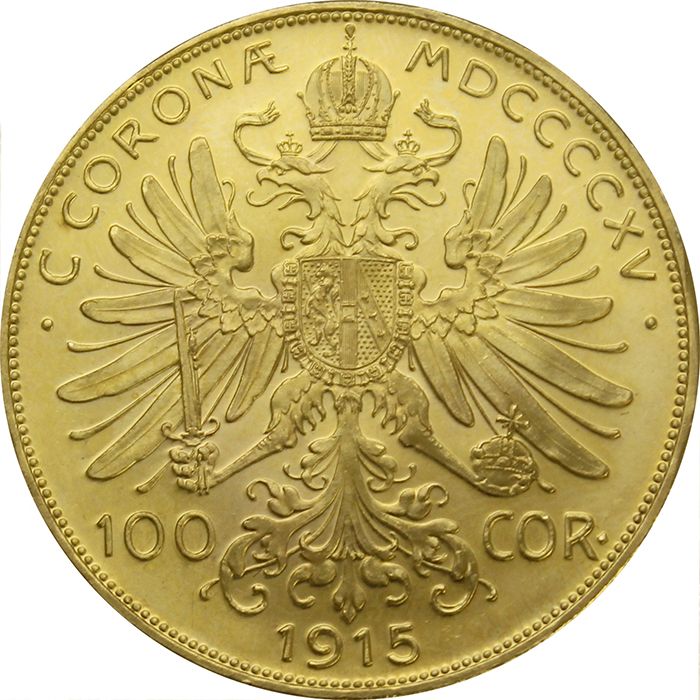
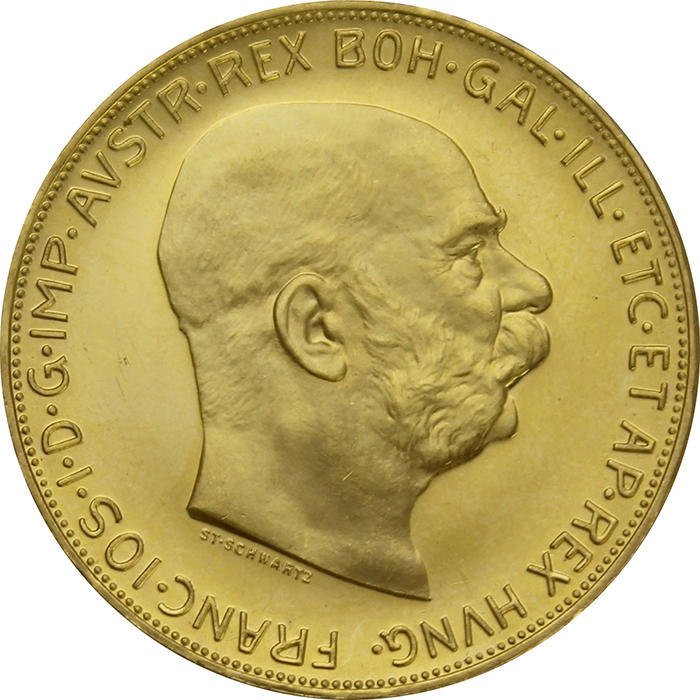
In stock
3 015,00 EUR
The last piece!
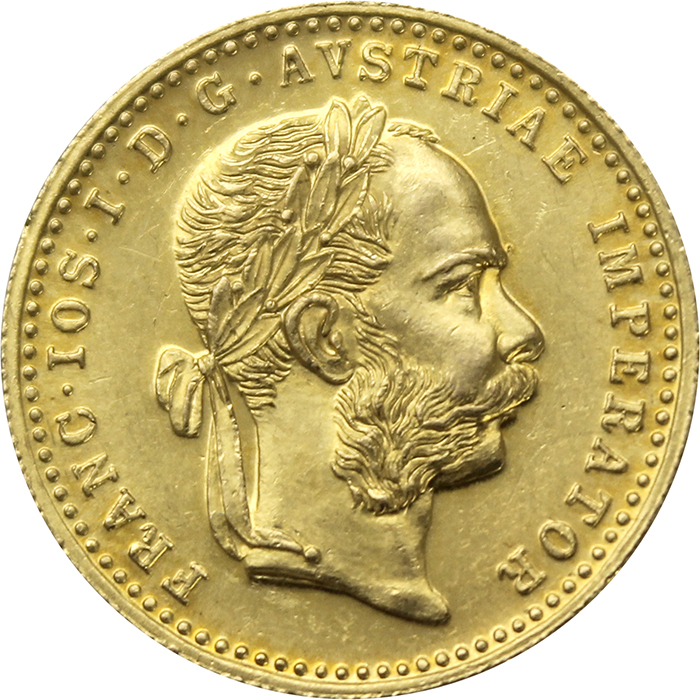
In stock
366,90 EUR
...
We build products for you ...
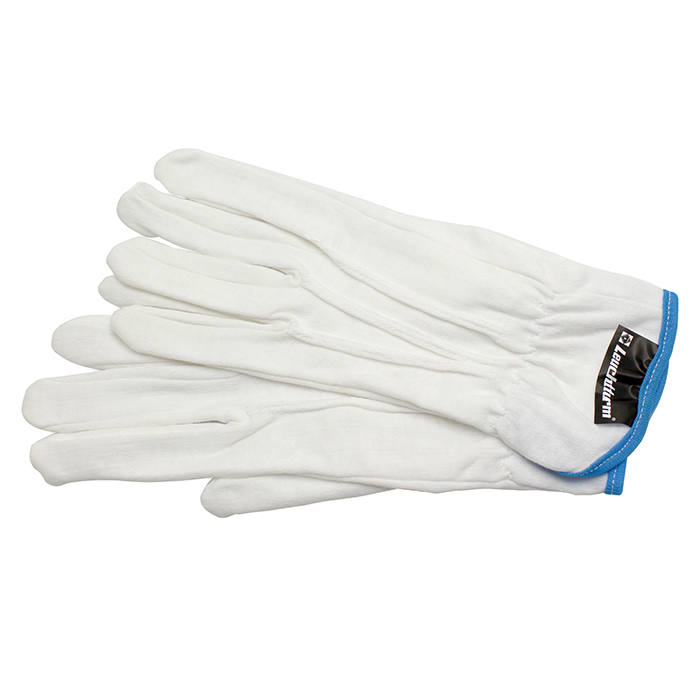


Last pieces in stock
In stock
30,00 EUR
...
We build products for you ...
Buyback contact form
We will be happy to buy investment metals purchased from us or from our competitors. Our customers always get the highest price offered at any given time. Fill out the form below and we will contact you. Thank you for your trust.